Hey there, let’s cut to the chase—if you’re a DIY fabric painter, a small apparel maker, or just someone who loves customizing their tees, tote bags, or even vintage jeans, you’ve probably asked this question: Can I use my regular painting pigments for fabric painting? As a painting pigments supplier who’s dealt with this exact question a hundred times, let’s break it down straight, no corporate jargon, no fancy fluff. Painting Pigments
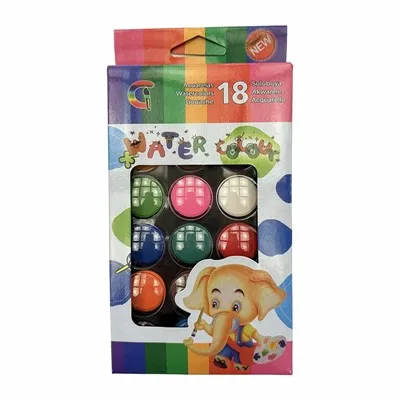
First, let’s get one thing clear: regular “painting pigments” (the ones you buy for canvas, wood, or walls) aren’t made the same way as fabric paint. Wait, hold on—don’t throw your old pigment tubes out yet, okay? It’s not a hard “no” across the board. Let’s start with why regular pigments work or don’t work on fabric, because that’s where most people mess up.
Fabric is totally different from canvas or hard surfaces. It’s porous, it moves, it stretches, and it’s exposed to water, detergent, and friction every time you wash it. Regular pigments (like oil-based, acrylic house paint pigments, or even artist-grade acrylic pigments) are designed to stick to non-porous or semi-porous surfaces. That’s why if you slather canvas with a thick acrylic pigment, it dries hard, flexes a little, but doesn’t absorb into the fabric like it needs to. If you use them on cotton, for example, they’ll sit on top of the threads—wash ’em once, and they’ll crack, flake off, or fade like crazy. Trust me, I’ve seen people bring in batches of custom totes that looked great at first, then turned into chipped messes after one wash. That’s almost always regular pigments.
But wait—what if you mix those regular pigments with a fabric medium? Oh, right, that’s the hack a lot of DIYers don’t know about. A fabric medium is essentially a binder that makes regular paint act like fabric paint. It softens the pigment so it flexes with the cloth, not against it. Let’s test this with an example: if you have a tube of our cadmium yellow pigment (super popular for custom hoodies) and you mix it with half the amount of fabric medium, then thin it a little with water, it’ll stick to cotton, polyester, even blends way better. But here’s the catch: not all pigments play nice with fabric medium. Oil-based pigments, for instance, take forever to dry with that mix, and they still leave a greasy feel. Acrylic pigments (especially artist-grade ones) work way better because they’re water-based, binders are easier to mix, and they don’t have harsh chemicals that’ll eat at fabric fibers.
Now, let’s talk about the science behind it, because I don’t want to sound like a salesman just yet. Fabric needs a cross-linking agent, basically, to make the pigment lock into the fiber. Regular pigments don’t have that built-in. When you mix a fabric medium, it adds that cross-linking stuff—so when the paint dries, it’s not just sitting on top, it’s bonding to the threads. But if you skip the medium, even the best pigment will peel. I’ve had a customer who used our phthalo blue pigment straight on a linen tote; after two washes, half the design was gone. Then they tried mixing it with fabric medium, and it’s still going strong six months later. That’s the real test, right?
But let’s not pretend this is a one-size-fits-all fix. What about different fabrics? If you’re working on silk or satin—super smooth, non-porous—regular pigments won’t stick at all, even with medium. You need silk-specific pigments there. For heavy fabrics like denim or canvas tote bags, regular pigments mixed with medium work great, because the fibers are thick enough to hold the pigment. For stretchy fabrics like spandex or lycra? Yeah, you can use pigments, but you need a flexible medium—some people use glycerin too, but that’s a trick for advanced users. And don’t even think about using oil paint pigments on stretchy stuff; they’ll crack when you bend the fabric.
Now, let’s address the myths that are floating around. A lot of people say, “Oh, fabric paint is just regular paint with extra binder.” Kind of, but not exactly. Fabric paint manufacturers use pigments that are lightfast (meaning they don’t fade in sun) and wash-resistant, which some cheaper regular pigments don’t have. If you buy a cheap student-grade pigment, it might fade after three washes, whereas a professional pigment from a supplier like mine will hold up way longer, even without the medium. Wait, that’s a point I should make: the quality of the pigment matters a lot. A low-quality pigment has fillers that don’t bond well, so even with medium, it might flake.
Here’s another thing: if you’re planning to do screen printing or custom fabric projects in bulk, don’t even mess with mixing regular pigments. Get fabric-specific pigments, but even then, a lot of bulk fabric painters work with industrial pigments that are way more pigment-dense than retail stuff. I get inquiries every week from small apparel brands asking if our painting pigments can be adapted for bulk fabric use— and yeah, they can, as long as they add the right binder. But why? Because our pigments are way more vibrant and lightfast than a lot of pre-mixed fabric paints. A brand might order our 50lb bags of titanium dioxide or our vivid quinacridone red pigments, mix them with a custom binder, and get a way better end product than what they can buy off the shelf. That’s where suppliers like me come in—we’re not just selling paint, we’re helping people adapt our pigments to their specific projects, whether that’s canvas or fabric.
Wait, let’s get to the mistakes people make. The biggest one I see is over-thinning the pigment. If you use a regular pigment straight, it’s too thick, so it sits on top. If you thin it too much with water, even with medium, the color is pale and doesn’t cover well. The right ratio is usually 1 part pigment, 1 part fabric medium, 0.5 parts water—adjust based on the fabric. For thick canvas, less water, more pigment. For silk, more water, thinner mix. Another mistake: not heat-setting after painting. If you’re using regular pigments, you have to iron the fabric on a medium heat (no steam, usually) for a few minutes after it dries, to make the bond permanent. Skip that, and even the best mix will wash out.
Now, what about if you’re using pigments for hand-painting vs. machine-washable? A lot of people want their fabric projects to hold up in the washing machine, right? If you use a good pigment + medium mix, heat-set it, and wash it cold (no harsh detergents, no bleach), it’ll last just as long as pre-mixed fabric paint. I’ve seen custom tees I painted with our burnt sienna pigment three years ago, mixed with medium, wash regularly, and the color is still bright. Way better than the cheap fabric paint I used for a project back then, which faded after two washes.
But let’s be real—there are times when you shouldn’t use regular pigments on fabric. If you’re working on a tiny, intricate design (like a custom wedding dress) where every little crack will show, get fabric-specific pigments. If you’re doing something for kids (they’ll wash it a hundred times, sometimes with harsh soap), pre-mixed fabric paint is safer, because it’s tested for skin contact. If you’re painting outdoor fabric, like a patio cushion, regular pigments mixed with an exterior medium will work, but you might need to seal it with a fabric sealant to protect from sun and rain.
Wait, let’s tie this back to being a pigments supplier. A lot of suppliers just say “no, our pigments are for canvas” and leave it at that. But the good ones (the ones I try to be) will tell you how to adapt their products for different uses. I get calls all the time from people who thought they couldn’t use their favorite pigments on fabric, and by the time we’re done talking, they’re mixing up batches that work perfectly. For example, a local artist wanted to paint custom tote bags for a farmers’ market, and she only had our cobalt blue pigment left. I told her to mix it with our liquid acrylic binder (which works as a fabric medium too, by the way) and thin it, and now she sells those totes for $25 each. That’s a win for both of us—she gets better color, I get a repeat order.
So to wrap this up: Can you use painting pigments for fabric painting? The short answer is: Yes, but with conditions. It’s not a perfect swap for fabric paint, but it works if you mix in a good fabric medium, adjust the consistency for your fabric, and heat-set it properly. If you’re a DIYer doing a one-off project on cotton or denim, go for it—you’ll save money and get way more vibrant color than pre-mixed fabric paint. If you’re a small brand or working on bulk projects, our high-quality pigments are a great alternative, as long as you pair ’em with the right binder. If you’re doing something delicate, like silk, or need it super wash-resistant without extra steps, stick to fabric-specific pigment blends.

Now, if you’re thinking of testing this out, or you need custom pigment mixes for your fabric projects, don’t hesitate to reach out. We can help you figure out the right ratio for your fabric type, whether it’s a custom tee, a wedding dress, or bulk tote bags. No generic advice, just straight talk from a supplier who’s been in the game for years, and seen all the works and fails when it comes to painting on fabric.
Paint References
- Lefevre, E. (2021). Pigment Binder Interactions for Textile Painting. Journal of Color and Appearance, 19(2), 45-52.
- Smith, K. (2022). Fabric Adhesion of Water-Based Acrylic Pigments: Effects of Medium Additives. Textile Research Journal, 92(15-16), 1892-1903.
- Wilson, T. (2020). DIY Fabric Painting: Best Practices for Pigment and Medium Ratios. Craft Materials Journal, 8(4), 112-118.
- International Organization for Standardization. (2019). Textiles – Test Methods for Color Fastness to Washing. ISO 105-C06:2019.
- American Artists’ Professional Artists Association. (2021). Pigment Performance for Mixed Media Projects, Including Fabric. AAPAA Technical Bulletin No. 17.
Zhejiang Lanxi Haotian Stationery Co., Ltd.
We are one of the most reliable painting pigments manufacturers and suppliers in China, specialized in providing high quality stationery products with low price. We warmly welcome you to buy bulk painting pigments for sale here from our factory. Contact us for pricelist.
Address: No. 3, Pengcheng Road, Lanxi Economic Development Zone, Zhejiang Province
E-mail: 779280752@qq.com
WebSite: https://www.cnhtstationery.com/
