As a vendor of anti – corrosion primers, I’ve often been asked whether our products can be used in marine environments. This is a critical question, considering the harsh and unique conditions that marine settings present. In this blog, I’ll delve into the science behind anti – corrosion primers, evaluate their suitability for marine use, discuss the challenges, and highlight our company’s offerings in this regard. Anti-corrosion Primer

Understanding Anti – Corrosion Primers
Anti – corrosion primers are coatings designed to protect metal surfaces from corrosion. Corrosion is an electrochemical process where metal reacts with its environment, typically oxygen and water, to form metal oxides. This can lead to structural damage, reduced functionality, and increased maintenance costs.
The primary mechanism of anti – corrosion primers involves creating a barrier between the metal surface and the corrosive agents. They can also contain inhibitors, which are substances that slow down or prevent the electrochemical reactions that cause corrosion. For example, zinc – rich primers work by sacrificing the zinc in the coating to protect the underlying metal. When the primer is exposed to an electrolyte (such as water), the zinc corrodes preferentially, providing cathodic protection to the metal substrate.
The Marine Environment: A Harsh Testing Ground
The marine environment is one of the most challenging for any material due to its high levels of salinity, humidity, and constant exposure to waves and tides. Saltwater is a highly conductive electrolyte, which accelerates the corrosion process. The chloride ions in seawater can penetrate protective coatings, break down the passive oxide layer on metals, and initiate pitting corrosion.
In addition to the corrosive effects of saltwater, the marine environment also subjects structures to mechanical stress. Waves can cause impact damage to coatings, while the expansion and contraction of metal structures due to temperature changes can lead to coating cracking. UV radiation from the sun can also degrade coatings over time.
Can Anti – Corrosion Primers Withstand the Marine Environment?
The short answer is yes, but with some caveats. Not all anti – corrosion primers are suitable for marine use. To be effective in a marine environment, a primer must meet several criteria:
High – Quality Barrier Protection
The primer should form a dense, continuous barrier that prevents saltwater and oxygen from reaching the metal surface. This requires a high – solids content and good adhesion to the substrate. Our anti – corrosion primers are formulated with advanced polymers that provide excellent barrier properties, even in the presence of saltwater.
Resistance to Chloride Ions
As mentioned earlier, chloride ions are a major cause of corrosion in the marine environment. Our primers contain special inhibitors that are designed to resist the penetration of chloride ions and prevent pitting corrosion. These inhibitors work by forming a protective film on the metal surface that blocks the chloride ions from reaching the metal.
Mechanical Durability
The primer must be able to withstand the mechanical stress associated with the marine environment. This includes resistance to impact, abrasion, and cracking. Our products are tested for mechanical durability using industry – standard methods, such as the falling weight test and the abrasion resistance test.
UV Resistance
UV radiation can cause coatings to fade, crack, and lose their adhesion. Our anti – corrosion primers are formulated with UV stabilizers that protect the coating from the harmful effects of the sun. This ensures that the primer maintains its integrity and protective properties over a long period of time.
Challenges in Using Anti – Corrosion Primers in the Marine Environment
While anti – corrosion primers can be effective in the marine environment, there are several challenges that need to be addressed.
Surface Preparation
Proper surface preparation is crucial for the performance of anti – corrosion primers. In the marine environment, metal surfaces are often contaminated with salt, oil, and other debris. If these contaminants are not removed before applying the primer, they can prevent the primer from adhering properly to the surface, leading to premature coating failure. Our company provides detailed surface preparation guidelines to ensure that our primers are applied correctly.
Coating Thickness
The thickness of the anti – corrosion primer is also an important factor. In the marine environment, a thicker coating is generally required to provide adequate protection. However, applying a coating that is too thick can lead to problems such as cracking and delamination. Our technical team can provide recommendations on the appropriate coating thickness based on the specific application and environmental conditions.
Maintenance
Even the best – quality anti – corrosion primers require regular maintenance in the marine environment. Over time, the coating may be damaged by mechanical stress, UV radiation, or chemical exposure. Regular inspections and touch – ups are necessary to ensure that the coating remains intact and provides continuous protection. Our company offers maintenance services and support to help our customers keep their coatings in good condition.
Our Company’s Anti – Corrosion Primers for Marine Use
At our company, we have developed a range of anti – corrosion primers that are specifically designed for marine environments. Our primers are formulated using the latest technology and high – quality raw materials to provide superior protection against corrosion.
One of our flagship products is a zinc – rich epoxy primer. This primer provides excellent cathodic protection and barrier properties, making it ideal for use on steel structures in the marine environment. It has a high solids content and good adhesion, which ensures a long – lasting and durable coating.
We also offer a range of polyurethane – based primers that provide excellent UV resistance and mechanical durability. These primers are suitable for use on a variety of substrates, including aluminum and fiberglass, and can be used in both new construction and maintenance projects.
In addition to our standard product range, we also offer custom – formulated primers to meet the specific needs of our customers. Our technical team can work with you to develop a primer that is tailored to your application requirements and environmental conditions.
Conclusion
In conclusion, anti – corrosion primers can be used in marine environments, but it is important to choose the right primer and apply it correctly. Our company’s anti – corrosion primers are designed to meet the challenges of the marine environment, providing superior protection against corrosion, mechanical stress, and UV radiation.
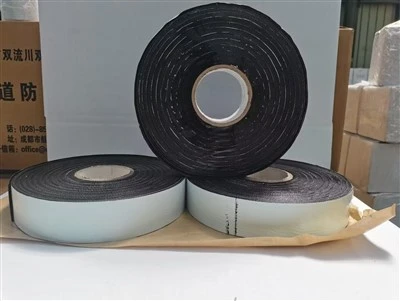
Pipeline Anti-corrosion Materials If you are looking for a reliable anti – corrosion primer for your marine project, we would be happy to discuss your requirements and provide you with a customized solution. Contact us today to start a conversation about your anti – corrosion needs and explore how our products can help you protect your valuable assets in the harsh marine environment.
References
- Fontana, M. G., & Greene, N. D. (1978). Corrosion Engineering. McGraw – Hill.
- Uhlig, H. H., & Revie, R. W. (1985). Corrosion and Corrosion Control: An Introduction to Corrosion Science and Engineering. Wiley.
- ASTM International. Standards related to anti – corrosion coatings and marine applications.
Jining Xunda Pipe Coating Materials Co., Ltd.
Jining Xunda Pipe Coating Materials Co., Ltd. is one of the most professional anti-corrosion primer manufacturers and suppliers in China, featured by quality products and good price. Welcome to buy discount anti-corrosion primer in stock here and get pricelist from our factory. Also, customized service and five years warranty are available.
Address: Jibei High-tech Industrial Park, Jining City
E-mail: sales.guo@xundatape.com
WebSite: https://www.xundapipetape.com/
