Hey there! I’m a supplier of crushing machines, and today I wanna chat about whether a crushing machine can be used for abrasive materials. It’s a question I get a lot from customers, so I thought I’d dive deep into it. Crushing machine

First off, let’s talk about what abrasive materials are. Abrasive materials are those that have the ability to wear down other materials through friction. Think sand, gravel, quartz, and even some types of ore. These materials are super hard and can be a real challenge to crush.
So, can a crushing machine handle these abrasive materials? The short answer is yes, but it depends on a few factors.
The type of crushing machine
There are different types of crushing machines out there, and each one has its own strengths and weaknesses when it comes to abrasive materials.
Jaw crushers
Jaw crushers are a popular choice for crushing abrasive materials. They work by squeezing the material between two jaws, one fixed and one moving. The pressure applied by the jaws breaks the material into smaller pieces. Jaw crushers are great for handling large chunks of abrasive materials because they can generate a lot of force. However, the jaws can wear out quickly, especially if you’re dealing with really hard and abrasive stuff. That’s why it’s important to use high-quality jaw plates made from materials like manganese steel, which are more resistant to wear.
Cone crushers
Cone crushers are another option. They operate by squeezing the material between a mantle and a concave. As the mantle gyrates, it crushes the material against the concave. Cone crushers are good for secondary and tertiary crushing of abrasive materials. They can produce a more uniform particle size compared to jaw crushers. But just like jaw crushers, the mantle and concave are subject to wear. Regular maintenance and replacement of these parts are essential to keep the crusher running efficiently.
Impact crushers
Impact crushers use the principle of impact to crush materials. They hurl the material against a hard surface, causing it to break. Impact crushers are great for crushing abrasive materials that are not too hard. They can produce a very fine and cubical product. However, the wear parts in impact crushers, such as the blow bars, can wear out relatively fast. You need to keep an eye on them and replace them when necessary.
The design and construction of the crushing machine
Apart from the type of crusher, the design and construction of the machine also play a crucial role in its ability to handle abrasive materials.
Wear-resistant materials
A well-designed crushing machine for abrasive materials should be made with wear-resistant materials. For example, the parts that come into direct contact with the abrasive material, like the liners, should be made from materials like chrome alloy or ceramic. These materials can withstand the high levels of abrasion and extend the lifespan of the machine.
Lubrication system
A good lubrication system is also important. Abrasive materials can generate a lot of heat and friction during the crushing process. A proper lubrication system helps to reduce friction and heat, which in turn reduces wear and tear on the machine’s components. It also ensures smooth operation and prevents breakdowns.
Dust control
Abrasive materials can create a lot of dust during crushing. This dust can not only be a health hazard but also cause damage to the machine. That’s why a good crushing machine should have an effective dust control system. This can include things like dust collectors, hoods, and ventilation systems. By keeping the dust under control, you can protect the machine and the environment.
The size and hardness of the abrasive materials
The size and hardness of the abrasive materials you want to crush also matter.
Size
If you’re dealing with large chunks of abrasive materials, you’ll need a crusher that can handle the initial large feed size. Jaw crushers are often a good choice for this. Once the material is reduced to a smaller size, you can then use a cone crusher or an impact crusher for further crushing.
Hardness
The hardness of the abrasive material is another important factor. Some materials, like quartz, are extremely hard and abrasive. You’ll need a crusher that is specifically designed to handle these types of hard materials. For example, a crusher with a high crushing force and wear-resistant parts.
Benefits of using a crushing machine for abrasive materials
Now that we’ve talked about whether a crushing machine can be used for abrasive materials, let’s look at some of the benefits.
Cost-effective
Using a crushing machine to process abrasive materials can be cost-effective in the long run. Instead of buying pre-crushed materials, you can crush the materials on-site. This can save you money on transportation and storage costs. Additionally, by using a high-quality crushing machine, you can reduce the frequency of part replacements and maintenance, which also saves you money.
Customizable output
Crushing machines allow you to customize the output size of the crushed material. You can adjust the settings of the crusher to produce the desired particle size for your specific application. This is especially useful if you need different sizes of abrasive materials for different projects.
Increased productivity
A good crushing machine can significantly increase your productivity. It can crush large amounts of abrasive materials in a relatively short period of time. This means you can get more work done in less time, which can lead to increased profits.
Maintenance and care of the crushing machine
To ensure that your crushing machine can continue to handle abrasive materials effectively, proper maintenance and care are essential.
Regular inspections
You should conduct regular inspections of the machine to check for any signs of wear or damage. This includes checking the wear parts, such as the jaw plates, mantle, concave, and blow bars. If you notice any excessive wear, you should replace the parts as soon as possible.
Lubrication and cleaning
As mentioned earlier, a good lubrication system is important. You should follow the manufacturer’s recommendations for lubrication intervals and use the right type of lubricant. Additionally, you should clean the machine regularly to remove any dust and debris. This can help prevent damage to the machine’s components.
Operator training
Proper operator training is also crucial. An experienced and well-trained operator knows how to operate the machine correctly, which can prevent unnecessary wear and tear. They also know how to identify potential problems early and take appropriate action.
In conclusion, a crushing machine can definitely be used for abrasive materials, but it’s important to choose the right type of crusher, consider the design and construction of the machine, and take into account the size and hardness of the materials. With proper maintenance and care, a crushing machine can provide a cost-effective, customizable, and productive solution for processing abrasive materials.
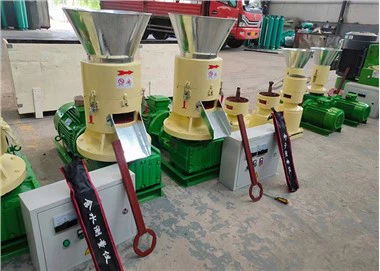
If you’re in the market for a crushing machine for your abrasive material processing needs, I’d love to have a chat with you. We can discuss your specific requirements and find the best solution for you. Don’t hesitate to reach out and start a conversation about procurement.
Pellet Line Accessory Equipment References
- Mineral Processing Design and Operations: An Introduction, by Barry A. Wills and Tim Napier-Munn
- Crushing and Screening Handbook, by Metso Outotec
Zhengzhou Fanda Machinery Co., Ltd.
Zhengzhou Fanda Machinery Co., Ltd. is one of the most professional crushing machine manufacturers and suppliers in China. Feel free to buy cheap crushing machine for sale from our factory and check the price with us.
Address: Zhisi Road, Zhongyuan District, Zhengzhou, Henan, China.
E-mail: vincenthan@fandamachinery.com
WebSite: https://www.fandapelletmill.com/
