If you’ve ever spent a night in a hotel and woken up feeling well-rested, chances are you didn’t just sleep well—you slept on thoughtfully chosen hotel bedding. As someone who’s worked as a hotel bedding supplier for over a decade, I’ve had dozens of hoteliers ask me the same question: “What materials actually stand up to heavy use, feel comfortable, and hold up over time?” It’s not just about picking the softest fabric off a shelf; it’s a balance of durability, guest preference, and operational practicality. Let’s break down the most common materials we work with daily, why they’re non-negotiable for hotel bedding, and how each one plays a role in guest experience. Hotel Bedding
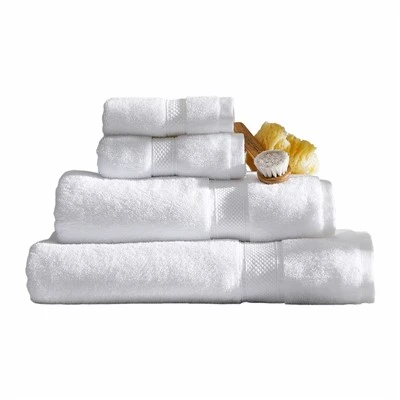
First, let’s talk about cotton—this is the workhorse of the hotel bedding industry, and for good reason. Almost every hotel you’ll stay at uses cotton sheets, duvets, and pillowcases for a reason: it’s breathable, hypoallergenic for most people, and gets softer with every wash. But not all cotton is the same. We typically stick to two primary types: Egyptian cotton and micro cotton (sometimes called combed cotton). Egyptian cotton is made from extra-long-staple fibers, which are longer and stronger than standard cotton fibers. That means sheets don’t pill easily, can handle dozens of industrial wash cycles (hotels wash bedding every 2-3 days for high-traffic properties), and retain their crispness far longer than lower-quality options. We’ve supplied Egyptian cotton sheets to boutique resorts for years, and they still feel smooth after two years of weekly industrial washes—something standard cotton can’t match. That said, Egyptian cotton is a premium choice, so mid-tier hotels often opt for combed micro cotton. Combed cotton has had short, weak fibers removed during processing, so it’s still durable and soft, but comes at a lower cost, which fits the budget for chain hotels that need to outfit hundreds of rooms. We always tell hoteliers: if you can invest in a core cotton product, it’s the first thing your guests will notice. They might not name “combed cotton” in a review, but they’ll say the sheets felt nicer than a competitor’s.
Next up, polyester—this is the unsung hero for hotel linens, especially for budget and mid-tier properties. Polyester is a synthetic fabric, but don’t write it off immediately. It’s incredibly durable, resists wrinkles, holds its shape after washing, and is way less expensive than cotton. Waiters and housekeepers love it because duvets and sheets made of polyester don’t need ironing, which saves staff hours every day. We use a blend of 50% polyester and 50% cotton for a lot of our mid-tier hotel orders—this balances the softness of cotton with the durability of polyester. The biggest myth about polyester is that it’s scratchy or hot, but modern manufacturing has fixed that. We recently developed a microfiber polyester blend that’s super soft, almost indistinguishable from cotton to guests, and it doesn’t pill even after heavy use. For hotels that renovate every 5-7 years, this blend is perfect because it can handle frequent washing and doesn’t fade like pure cotton sometimes does. We had a client who switched to our polyester-cotton blend and cut their linen replacement costs by 30% in the first year—proof that synthetic materials don’t have to mean low quality.
Then there’s linen, the go-to for luxury and boutique hotels. Linen is made from the flax plant, and it’s known for that relaxed, lived-in look that feels instantly high-end. Guests love linen sheets because they’re ultra-breathable, perfect for warm climates, and have a matte texture that feels more luxurious than cotton. But here’s the catch: linen is not for every hotel. It wrinkles easily, which means housekeepers have to spend extra time ironing or steaming, and it’s less durable than cotton—after about 50 washes, linen sheets start to thin out. That’s why we only recommend linen for small properties or high-end resorts that can afford the extra labor and replacement costs. A few years back, we supplied linen duvets to a coastal boutique hotel in Florida, and their guests raved about the “beachy, cozy feel” in online reviews. But when the hotel tried to expand and outfit 20 more rooms with linen, they realized the laundry costs doubled because of the extra care linen needs. It’s a great choice for a small, targeted use case, but not a core product for large chains.
Now, let’s not forget down and down alternative for pillows and duvets—two materials that make or break a night’s sleep. Down is the soft, fluffy layer of feathers from ducks or geese, and it’s the gold standard for luxury bedding. It’s lightweight, insulating, and molds to your body, which is why hotel pillows are so comfortable. But not all down is equal. We use a fill power rating to measure down quality—higher fill power means more fluff, better insulation, and longer lifespan. A 700-fill down duvet will be lighter and more durable than a 500-fill one, even if it costs a bit more. For budget hotels, down alternative is the way to go. Down alternative is usually made of polyester or a microfiber blend, and it mimics the softness of down without the higher price tag. It’s also hypoallergenic, which is a big plus for hotels that have a lot of guests with allergies. We’ve found that down alternative pillows hold their shape better than down pillows, which is important because hotels reuse pillows for 2-3 years, not just one season. A common mistake hoteliers make is buying cheap down pillows that go flat after a few washes—we always recommend down alternative for properties that want the soft feel without the maintenance.
We also work with a lot of eco-friendly materials now, which is a trend we can’t ignore. More and more hotels are asking for bedding that’s sustainable, and that’s shifted our supply of materials a lot. Organic cotton is one of the most popular eco options—it’s grown without harmful pesticides and uses 91% less water than conventional cotton. We source organic cotton from certified farms, and it’s just as soft and durable as regular cotton. Another big one is bamboo viscose, which is made from bamboo pulp. Bamboo is highly renewable, grows fast without needing much water, and the fabric is super silky and moisture-wicking. We did a test run with a boutique hotel a couple of years ago using bamboo sheets, and their guests gave it a 4.8/5 rating for comfort—way higher than their usual cotton sheets. The only downside is that bamboo viscose is less durable than cotton, so it’s best used for pillowcases or duvets, not top sheets that get heavy use. We also use recycled polyester for some of our duvets—made from plastic bottles, it’s eco-friendly and still has all the durability of regular polyester, which is a win-win for hotels that want to reduce their carbon footprint.
Now, let’s talk about what we never use, and why. We avoid cheap, low-quality fabrics that pill after a few washes or fade within a month. Some suppliers use 100% polyester that’s scratchy, but we refuse to carry those products because they hurt a hotel’s reputation. We also don’t use silk for hotel bedding—silk is incredibly luxurious, but it’s too delicate for industrial washing machines. It can snag, fade, or tear after just a few washes, which means replacement costs would be through the roof. And we never use materials that hold odors—hotel bedding has to be easy to deodorize, especially for guests who might smoke or spill food, so any material that traps smells is a hard pass for us.
Over the years, I’ve learned that the best hotel bedding isn’t about picking one material—it’s about matching the material to the hotel’s brand and needs. A budget chain in a busy city needs durable, low-maintenance materials that can handle high turnover and low prices. A luxury resort in a warm climate needs breathable, high-end materials that make guests feel like they’re staying somewhere special. A boutique eco-hotel needs sustainable options that align with their values. That’s why we work closely with every client: we ask about their room count, their laundry capacity, their target guest, and their budget, then recommend the best materials that fit.
For example, a client last year was a mid-tier chain with 150 rooms in a ski town. They needed bedding that kept guests warm in cold winter months, was easy to wash after ski trips, and didn’t break the bank. We recommended our 50/50 polyester-cotton blend sheets and down alternative duvets—they loved it, and their reviews started mentioning “cozy, warm sheets” within the first month of switching. Another client was a luxury beach resort, so they needed something breathable for hot, humid weather. We suggested organic cotton sheets and a lightweight bamboo duvet—their guest satisfaction scores went up 10% that quarter, and they ended up reordering for all 300 rooms.
At the end of the day, hotel bedding is one of the most important touchpoints a guest has with a property. It’s not just fabric—it’s what makes someone choose your hotel over the competitor, what makes them leave a positive review, and what makes them come back. As a hotel bedding supplier, my job isn’t just to sell materials; it’s to help hoteliers make choices that balance comfort, durability, and guest experience.
If you’re a hotel manager or procurement officer looking to update your bedding, or if you’re just curious about what goes into making the sheets you sleep on every night, I’m here to help. We can walk you through the best materials for your property, answer questions about durability, sustainability, and cost, and work with you to find bedding that fits your brand. Reach out to us to start a conversation about your hotel’s bedding needs.
Hotel Bed Sheets References
- Textile Institute. (2021). Performance standards for commercial hotel linens. Journal of Textile and Apparel, Technology and Management.
- American Hotel & Lodging Association. (2022). Sustainable linen guidelines for hospitality properties. Hospitality Industry Sustainability Report.
- Cotton Council International. (2020). Extra-long staple cotton properties for commercial use. Cotton Basics for Hospitality.
- Fiber Innovation Technology. (2021). Performance of polyester-cotton blends in high-turnover laundry environments. Textile Research Journal.
- International Flax Organization. (2022). Linen applications in luxury hospitality bedding. Linen for Commercial Use Guide.
Nantong Deeda Textile Co., Ltd.
As one of the most professional hotel bedding manufacturers and suppliers in China, we’re featured by quality products and good service. Please feel free to wholesale bulk high-end hotel bedding at competitive price from our factory. Customized orders are welcome.
Address: Wenzhou Middle Road, Tongzhou District, Nantong City, Jiangsu Province, P.R.China
E-mail: zama@deeda.com.cn
WebSite: https://www.hotelbeddingsupplier.com/
