Hey everyone, Steel Wire Hose
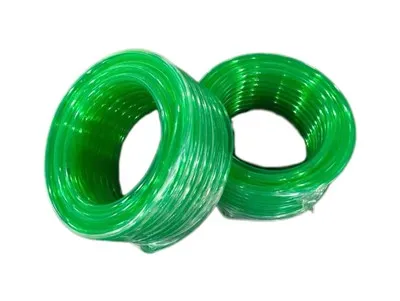
If you’ve ever worked with steel wire hoses, you know how frustrating kinking can be. That sudden, sharp bend that stops flow dead in its tracks, makes your equipment sputter, and even leads to premature wear or leaks—we’ve all been there. As a steel wire hose supplier, I’ve heard every horror story: a construction job delayed because a hose kinked mid-pour, a factory line shut down because a hydraulic hose got twisted, even a customer who had to replace a $500 hose way before its time because they didn’t know how to stop kinking. So today, I’m breaking down exactly how to prevent kinks, straight from the pros who make these hoses and work with them every day. No fancy jargon, just real, actionable stuff that actually works.
First off, let’s get one thing straight: steel wire hoses aren’t invincible. They’re tough—designed to carry pressure, chemicals, heavy fluids, whatever—but they still have a limit, and kinking is almost always a user error (wait, not always, but 90% of the time). The other 10% is bad installation or a wrong hose choice for the job, which we’ll cover too. I’ve seen folks grab the first hose off the shelf for a task that needs a different bend radius, and wonder why it kinks. Trust me, matching the hose to the job is the first line of defense.
Let’s start with the basics that most people skip: picking the right hose for your application. Every steel wire hose has a minimum bend radius, that’s the tightest circle you can bend it without damaging the inner or outer layers, and without setting a permanent kink. If you bend it tighter than that, you’re asking for trouble. For example, a low-pressure garden-style steel wire hose might have a minimum bend radius of 6 inches, but a heavy-duty hydraulic hose for construction could be 12 inches or more. I tell all my customers: check the spec sheet before you buy. Don’t assume “bendable” means you can twist it into a pretzel. If your job requires tight spaces, talk to your supplier—we can get you a hose designed for smaller bend radii, no need to force a regular one into a spot it wasn’t made for.
Next up: installation 101. This is where so many kinks happen, right when you first put the hose on. A lot of people just grab both ends, pull them straight, and hook them up—big mistake. Hoses don’t like being forced into alignment. Here’s the trick: when you’re connecting fittings, let the hose lay naturally first. Hold it loosely and let it settle into its own “resting shape” before tightening any clamps or fitting nuts. That resting shape is where it’s happiest, and it won’t want to bend into a weird angle later. Also, don’t overtighten fittings. I’ve seen people crank them down so hard they twist the hose body right next to the fitting, which is a perfect spot for a kink. Hand-tight + 1/4 turn with a wrench is all you need—no Hulk strength required.
Another big one: avoid sharp corners and crimps. If you’re running a hose around a wall, a metal beam, or any hard edge, don’t just bend it sharp to fit. Use hose guides or clamps to keep it from rubbing against the edge, or make a wider, gradual bend. Think of it like bending a paperclip: bend it once slowly, it’s fine, bend it tight and fast, it snaps. Same logic here. I had a customer last year who kept getting kinks in a hose running over a steel I-beam. He just wrapped a piece of rubber tubing around the beam to smooth the edge, and never had a kink again. Cost him 50 cents, saved him a ton of downtime.
Then there’s how you use the hose once it’s installed. A lot of people yank hoses around like they’re ropes, especially in tight workspaces. If you need to move a hose, lift it—don’t drag it across the floor, don’t yank it from side to side to get it around a tool. Dragging kinks it before you even realize. Also, don’t hang heavy things on the hose itself. Some folks think “it’s steel wire, it can hold weight” but no—hanging a tool or a bucket from the hose creates a point of tension that leads to kinking over time. Use a separate cord or hook for hanging stuff, not the hose.
Wait, what about coiling and storing the hose when it’s not in use? Bad coiling is a huge cause of kinks that pop up later. I see people toss a hose in a toolbox or wrap it around a reel all tight and messy. The right way to coil a steel wire hose is in loose, figure-8 loops, right? Not just a jumbled pile, not super tight. Figure-8 coiling keeps the hose’s natural shape intact, so when you unwind it, it doesn’t have those permanent twists that turn into kinks. If you’re using a hose reel, make sure it’s the right size for the hose—too small a reel and you’re forcing it into a tight bend, too big and it’s loose and prone to tangling. Pro tip: label your reels so people don’t mix up low-pressure and high-pressure hoses—high-pressure hoses need tighter, more consistent coils to stay in shape.
Now, let’s talk about common mistakes that even experienced people make. One I hear all the time: “I didn’t use the right fittings, but it worked before!” No, it worked until it kinked. Using mismatched fittings—like a fitting that’s too small or too large for the hose—creates a gap where the hose can twist when pressure builds up under operation. That twisting turns into a kink. Always use OEM or matching fittings for your hose, and if you’re switching hose types, check that the fittings line up. Another mistake: running hoses parallel to each other too tight. If you have two hoses side by side, their movement can rub them together, and eventually one will kink where they cross. Leave a little space between hoses, or use separators if they’re heavy.
Wait, is there anything you can do if a hose does get a small kink already? Don’t panic—if it’s minor, you might be able to fix it. Turn off the pressure, disconnect the hose if you can, and gently straighten it by hand. Don’t yank or twist hard, just work the kink out slowly. Once it’s straight, lay it in a loose coil for a few hours to let it settle, and check it for leaks before using it again. But if the kink is sharp, or it’s in a high-pressure area, replace it. Trying to force a kink out of a steel wire hose can weaken the structure, leading to a burst later—way worse than a $100 hose.
As a supplier, I also want to mention that it’s not just about the hose itself—it’s about communication. If you’re in the market for a steel wire hose, tell your supplier exactly what you’re using it for: pressure level, fluid type, how much movement there is, how much space you have to work with. We’re not just selling a product, we’re helping you avoid headaches. Last month, a farmer came to me needing hoses for irrigation that had to go around tree roots and tight fence lines. Instead of selling him standard hoses, I recommended a flexible steel wire hose with a lower minimum bend radius, and he said he hasn’t had a single kink since. That’s the stuff that matters.
Let’s wrap this up with a quick cheat sheet, so you can keep this handy: 1. Match hose type to your job (check minimum bend radius). 2. Let hoses settle into their natural shape during installation. 3. Avoid sharp corners—use guides for edges. 4. Lift, don’t drag or yank hoses. 5. Coil in figure-8s when storing, use the right reel. 6. Fix small kinks gently, replace bad ones.
At the end of the day, kinking is avoidable with a little common sense and the right setup. I’ve been supplying steel wire hoses for years, and most of the issues my customers have are easy to fix—they just didn’t know where to start. If you’re dealing with persistent kinks, or you need help picking the right hose for your application, I’m here to help. No confusing sales pitches, just honest advice for whatever project you’re working on.
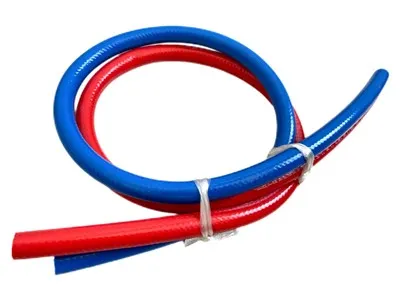
Got more questions? Hit us up to chat about your hose needs. We can walk through your setup, recommend products that fit, and make sure you don’t have to deal with those annoying kinks slowing you down.
PVC Suction Hose References:
- Industrial Hose and Fittings Association. (2022). Best Practices for Steel Wire Reinforced Hose Installation and Maintenance.
- Parker Hannifin Corp. (2021). Hose Selection Guide: Minimum Bend Radius and Application Compatibility.
- Michelin North America. (2020). Hydraulic Hose Maintenance Tips for Preventing Kinking and Premature Failure.
Weifang Xinzhiyuan Plastic Co., Ltd.
As one of the most experienced steel wire hose manufacturers and suppliers in China, we offer a wide range of products with superior quality. Please feel free to wholesale premium steel wire hose made in China here from our factory. We also accept customized orders.
Address: No. 700, Tongle Street, Economic Development Zone, Changle County, Weifang City, Shandong Province
E-mail: hua@xzypvchose.com
WebSite: https://www.pvchose-xzy.com/
