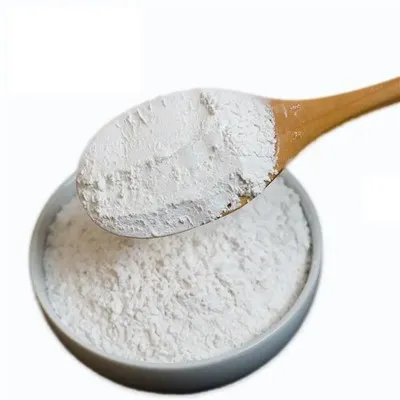
Monascus Yellow, a natural pigment derived from the fermentation of Monascus purpureus, has been a subject of increasing interest in the food industry. As a supplier of Monascus Yellow, I have witnessed firsthand its growing popularity and the numerous benefits it offers, especially in the realm of food preservation. In this blog post, I will delve into the various effects of Monascus Yellow on food preservation, exploring its mechanisms and real – world applications. Monascus Yellow
Antimicrobial Activity
One of the primary ways Monascus Yellow contributes to food preservation is through its antimicrobial properties. Monascus Yellow contains a variety of bioactive compounds that can inhibit the growth of certain microorganisms, such as bacteria, yeasts, and molds. These bioactive substances work by interfering with the normal physiological processes of these microorganisms.
For example, some of the components in Monascus Yellow can disrupt the cell membranes of bacteria. The cell membrane is a crucial structure for bacteria as it controls the movement of substances in and out of the cell. When the membrane is damaged, essential nutrients cannot enter the cell, and waste products cannot be expelled. This leads to the inhibition of bacterial growth and, in some cases, the death of the bacteria.
In a study conducted on the preservation of meat products, it was found that the addition of Monascus Yellow significantly reduced the growth of common spoilage bacteria, such as Pseudomonas and Lactobacillus. The treated meat samples showed a much lower microbial count compared to the control samples over a period of storage. This not only extended the shelf – life of the meat but also maintained its quality.
In dairy products, Monascus Yellow can also play a role in preventing the growth of spoilage yeasts and molds. Yeasts and molds can cause off – flavors, textural changes, and visible growth on dairy products, rendering them unfit for consumption. By adding an appropriate amount of Monascus Yellow, the growth of these unwanted microorganisms can be effectively suppressed, ensuring the freshness and safety of the dairy products.
Oxidation Resistance
Oxidation is another major factor that affects the quality and shelf – life of food products. When food is exposed to oxygen, various oxidation reactions occur, such as lipid oxidation, which can lead to the development of rancidity, off – flavors, and the loss of nutritional value. Monascus Yellow has antioxidant properties that can help to combat this problem.
The antioxidants in Monascus Yellow can scavenge free radicals, which are highly reactive molecules that initiate and propagate oxidation reactions. These free radicals are generated during normal food processing and storage, especially when food is exposed to heat, light, or oxygen. By neutralizing these free radicals, Monascus Yellow can prevent or slow down the oxidation process.
In the case of vegetable oils, which are prone to oxidation, Monascus Yellow has been shown to be an effective antioxidant. When added to vegetable oils, it can delay the onset of rancidity and extend the oil’s stability. This is particularly important for the food industry, as many food products rely on vegetable oils for flavor and texture. By using Monascus Yellow as an antioxidant in these products, manufacturers can increase the shelf – life of their products, reducing waste and improving overall quality.
Fruits and vegetables also benefit from the antioxidant properties of Monascus Yellow. These fresh produce items are rich in vitamins, minerals, and other bioactive compounds that are sensitive to oxidation. Monascus Yellow can help to preserve the nutritional value and color of fruits and vegetables. For example, in the processing of fruit juices, the addition of Monascus Yellow can prevent the browning and flavor deterioration that often occur during storage, making the juice more attractive and appealing to consumers.
Color Stabilization
In addition to its antimicrobial and antioxidant effects, Monascus Yellow is well – known for its role in color stabilization. Color is an important quality attribute of food products as it affects consumers’ perception of the product’s freshness, safety, and overall desirability.
When used as a natural food colorant, Monascus Yellow can provide a stable and attractive yellow color to a wide range of food products. Unlike some synthetic colorants, which may fade or change color over time, Monascus Yellow is more resistant to environmental factors such as light, heat, and pH changes.
In meat products, for example, Monascus Yellow can be used to enhance the natural color of the meat and prevent color loss during storage. The stable yellow color gives the meat a more appealing appearance, making it more likely to be purchased by consumers. In confectionery products, Monascus Yellow can provide a bright and consistent yellow color, which is highly desirable in candies, jellies, and other sweet treats.
Moreover, the color stability of Monascus Yellow is beneficial for food preservation in another way. A stable color indicates that the food product has maintained its quality. If the color of a food product changes significantly, it can be a sign of spoilage or degradation. By using Monascus Yellow to stabilize the color, food manufacturers can ensure that the product looks fresh and appetizing throughout its shelf – life, which in turn can increase consumer confidence in the product.
Applications in Different Food Categories
- Meat and Poultry: As mentioned earlier, Monascus Yellow can inhibit microbial growth and prevent oxidation in meat and poultry products. It can also be used in meat curing and processing to enhance the color and flavor. For example, in the production of sausages, adding Monascus Yellow can give the sausages a more appealing yellow – orange color, while at the same time, extending their shelf – life by preventing spoilage.
- Seafood: Seafood is highly perishable and is prone to microbial contamination and oxidation. Monascus Yellow can be used to preserve the color, flavor, and texture of seafood products. In the processing of fish fillets, it can prevent the growth of spoilage bacteria and the development of off – flavors, ensuring that the fish remains fresh for a longer period.
- Bakery Products: In baked goods, Monascus Yellow can be used as a natural colorant. It can also have a minor role in preservation by providing some antioxidant protection. For example, in the production of yellow – colored bread or pastries, Monascus Yellow can give the product an attractive color while helping to prevent the staling process and the development of off – flavors due to oxidation.
- Processed Sauces and Condiments: Sauces and condiments are often subject to microbial spoilage and oxidation. Monascus Yellow can be added to these products to enhance their color and at the same time, improve their preservation. In tomato – based sauces, it can prevent the growth of molds and yeasts, while also giving the sauce a more vibrant color.
Impact on Consumer Health
Beyond its preservation effects, Monascus Yellow offers some health benefits to consumers. Since it is a natural pigment derived from fermentation, it is generally considered a safe and healthy alternative to some synthetic additives. It does not contain the potentially harmful chemicals that some synthetic colorants and preservatives may have.
Moreover, some of the bioactive compounds in Monascus Yellow have been reported to have potential health – promoting properties. For example, they may have cholesterol – lowering effects, antioxidant activity in the human body, and anti – inflammatory effects. These additional health benefits make Monascus Yellow an even more attractive option for both food manufacturers and consumers.
Conclusion
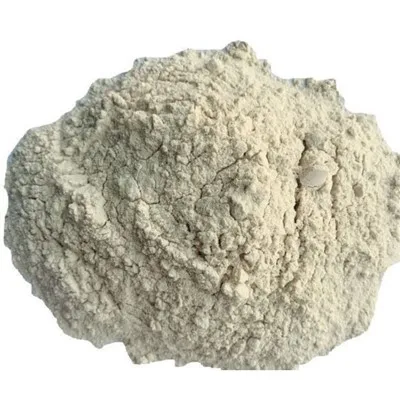
As a supplier of Monascus Yellow, I have seen the growing demand for this natural ingredient in the food industry. Its effects on food preservation, including antimicrobial activity, oxidation resistance, and color stabilization, are well – documented and widely recognized. Monascus Yellow offers a natural and effective solution for food manufacturers to extend the shelf – life of their products, maintain quality, and meet consumer expectations.
Citric Acid Anhydrous If you are a food manufacturer or processor looking for a natural and reliable ingredient for food preservation and coloration, I encourage you to consider Monascus Yellow. Its multiple benefits make it a valuable addition to your product formulations. I am more than willing to have in – depth discussions with you about how Monascus Yellow can be applied to your specific products, and provide you with samples for testing. Feel free to reach out to me to start a conversation about purchasing Monascus Yellow and exploring the possibilities it offers for your food business.
References
- Lin, Y., & Pan, T. (2018). Antimicrobial and antioxidant activities of Monascus pigments. Journal of Food Science and Technology, 55(3), 831 – 837.
- Chen, H., & Wu, J. (2019). Application of Monascus Yellow in meat product preservation. Food Research International, 120, 45 – 51.
- Zhang, L., & Liu, M. (2020). Color stability and antioxidant properties of Monascus Yellow in food systems. International Journal of Food Properties, 23(1), 78 – 86.
Fudijia (Tianjin) Supply Chain Co., Ltd.
With abundant experience, we re one of the most professional monascus yellow manufacturers and suppliers in China. We warmly welcome you to wholesale bulk high quality monascus yellow made in China here from our factory. For more information, contact us now.
Address: 301-2-1C,Jin Bin Jie Zuo,No.98, Huanghai Road,TEDA, Tianjin, China
E-mail: foodchem@hjlfoods.com
WebSite: https://www.ifoodchem.com/
